
"It’s Impossible That No One Knows Anything": Swastika Mukherjee Slams Industry’s Silence Over Rahul’s Tragic Death
Swastika Mukherjee slams the industry's silence and shifting narratives regarding artist Rahul’s tragic death, demanding accountability and defending his professionalism against disrespectful rumors.
INTERVIEW
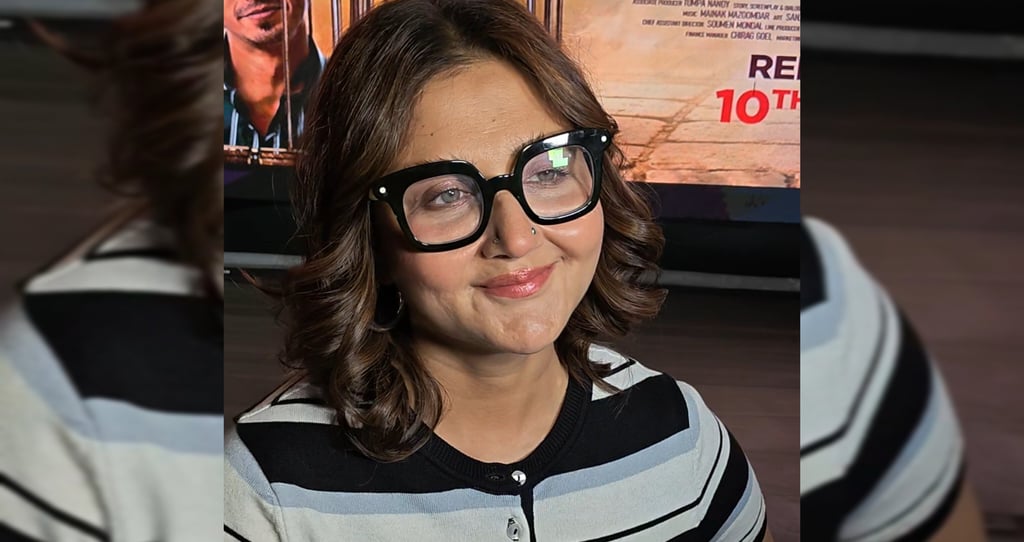
The sudden and tragic demise of Rahul, a young artist in the Bengali entertainment industry, has sent shockwaves across the fraternity. However, beyond the grief, a storm of controversy has erupted regarding the circumstances of the accident. Versatile actress Swastika Mukherjee, known for her bold and straightforward stance, recently voiced her extreme displeasure and anger over the industry's handling of the situation. In a poignant interview, she criticized the culture of "shifting blame" and the mysterious silence of those present during the incident.
Multiple Versions of the Truth
Swastika began by expressing her frustration over the inconsistent narratives emerging since the first hour of the accident. "Since the very beginning, we have heard fourteen different versions of the truth. We still don't know what actually happened," she stated. To her, the most insulting part of this tragedy is the lack of transparency. She pointed out that when a fellow artist loses their life, the priority should be the truth, not saving one’s own skin.
The "I Don't Know" Culture
One of the most chilling aspects of the incident is the collective amnesia displayed by the people on set. Swastika questioned how a major accident could occur on a shooting floor without anyone witnessing it. "Was the production manager not there? Were there no other artists or technicians? Where was the director?" she asked rhetorically.
She slammed the responses captured in various media videos where individuals associated with the project claimed they "didn't see anything" or "don't know how it happened." Swastika argued that a film set is a crowded place; it is practically impossible for someone to meet with such a grave accident in total isolation. For her, this "head-in-the-sand" approach is not just irresponsible but a cruel betrayal of a colleague.
Defending the Artist's Integrity
Perhaps the most heated part of Swastika’s statement was her defense against the character assassination of the deceased. She expressed deep hurt over reports and questions suggesting that Rahul might have been intoxicated at the time of the accident.
"What does an 'intoxicated' question even mean?" she lashed out. She explained the technicalities of acting, noting that it is impossible for an artist to stand before a camera, memorize complex dialogues, and perform convincingly if they are not in their senses. She called it "utterly disrespectful" to malign someone who is no longer there to defend himself. She emphasized that Rahul was a professional, and trying to blame his "state of mind" is a cheap tactic to divert attention from potential safety lapses.
Safety Lapses and Accountability
The interview also touched upon the technicalities of the shoot. There have been allegations that the shoot was being conducted without proper permissions or that basic safety precautions were ignored. Swastika hinted that the "cruelty" of the situation lies in the fact that because the victim is dead, the narrative is being controlled by those who have everything to lose. "We are dependent on what others are saying, and those 'others' are constantly changing their stories," she remarked.
A Call for Justice and Humanity
Swastika concluded by stating that the current atmosphere of lies and "muddying the waters" is making the situation worse for everyone who loved Rahul. She admitted that at this moment, her anger has surpassed her grief. The lack of accountability in the industry and the eagerness of people to distance themselves from a tragedy is, in her words, "a peak of inhumanity."
The actress’s words serve as a wake-up call for the Tollywood industry. It highlights the desperate need for better safety protocols, legal accountability, and, above all, a sense of fellowship where the life of an artist is valued more than the progress of a production schedule. As the investigation continues, Swastika’s demand remains clear: the truth must come out, and the culture of silence must end.
Updates
Stay connected for the latest cinema news.
Connect
Explore
cineshutter78@gmail.com
+919836332542
© 2025. All rights reserved.